

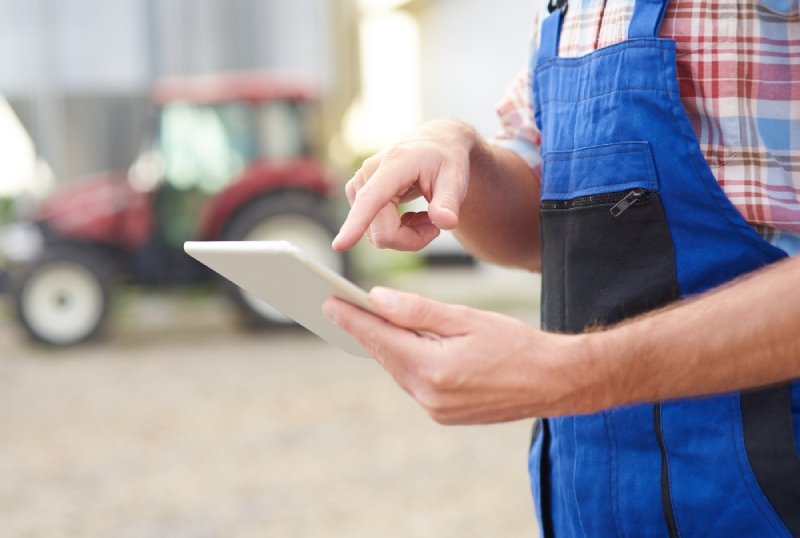
Agricultural equipment financing in Canada helps farm operators acquire productive assets without paying the full purchase price upfront. Agricultural machinery financing can be structured around the equipment, the farm’s repayment capacity, and the timing of cash receipts, while grain bin financing can support storage projects that serve the operation over many seasons.
Key Takeaways
• Match the financing term to the asset’s expected useful life and the farm’s realistic cash generation, not just to the lowest scheduled payment.
• Seasonal repayment structures can be useful when revenue arrives unevenly, but the timing should align with actual crop, livestock, or contract cash flow.
• Storage, irrigation and specialized livestock assets may require more project detail than a standard mobile-equipment purchase because installation and site work can affect value.
• Used equipment can be eligible for financing, although age, condition, hours, maintenance history, and resale value can influence the structure offered.
• An equipment facility should be assessed alongside the farm’s other debt, operating line, and working-capital needs so the new obligation fits the whole business.
What Agricultural Machinery Financing Covers, From Tractors and Combine Harvesters to Planters and Seeders
Agricultural machinery financing refers to funding used to acquire equipment that produces, plants, harvests, handles, or supports agricultural output. The financing is usually closely tied to the asset being purchased, while the operator’s financial strength, repayment capacity, and business history also influence the structure a lender is prepared to offer.
The category can include tractor financing in Canada for field and utility tractors, combine harvester financing for harvesting capacity, and planter and seeder financing for crop establishment. It can also extend to sprayers, tillage equipment, material-handling equipment, and other machinery with a clear operating purpose and identifiable value.
A practical starting point is to define the machine’s role. An asset used heavily across many seasons can support a different term than a specialized machine purchased for a narrow window each year. Operators should also account for attachments, freight, setup, and any installation costs so the financing request reflects the full capital requirement rather than only the sticker price.
Helm & Harbour Capital starts with that operating need. Through our equipment and asset-based finance work, we help business owners compare credible structures, understand trade-offs, and keep the equipment decisions aligned with the broader capital plan.
Harvest-Cycle Payment Plans That Align Installments With When the Operation Actually Gets Paid
Harvest-cycle payment plans can align scheduled installments with periods when the farm is more likely to receive cash from crop sales or other seasonal activity. The goal is not to eliminate repayment but to avoid forcing a highly seasonal operation into a payment pattern that ignores when revenue is actually generated.
For grain and oilseed operations, cash receipts may be concentrated around harvest, during contracted deliveries, or in later marketing periods. Livestock, dairy, and mixed operations can have different patterns. Before choosing a seasonal structure, map expected inflows, input purchases, payroll, land costs, operating-line needs, and existing debt service across a full year.
Well-designed harvest-aligned structures can offer fewer or larger installments during periods of stronger cash flow, or a schedule that varies throughout the year. Availability varies by lender and credit profile, and a seasonal payment should still be stress-tested against lower yields, delayed sales, or weaker commodity pricing.
This is where agricultural equipment financing in Canada should be considered alongside working capital. If a large equipment payment coincides with seed, fertilizer, feed, or other operating costs, the farm may face avoidable pressure, even when the asset itself is affordable over the full year. Our capital advisory approach considers those obligations together before a structure is selected.
| Cash-Flow Factor | What to Map | Why It Matters |
| Revenue timing | Crop sales, milk cheques, livestock sales or contracts | Shows when repayment capacity is strongest |
| Operating costs | Inputs, feed, payroll and repairs | Protects cash needed to keep the operation moving |
| Existing debt | Operating line and term obligations | Prevents payment stacking in the same period |
| Stress case | Lower output, later sales or weaker pricing | Tests whether the schedule remains workable |
Grain Bin, Grain Storage and Irrigation System Financing as Fixed-Asset Projects
Grain bin financing can support storage assets as a long-term capital project, while irrigation system financing can fund equipment and infrastructure to improve water delivery and field productivity. Because these projects can include site work, foundations, electrical components, installation, and permanent infrastructure, lenders may assess them differently from a standalone tractor or combine.
Before approaching a lender for grain storage, define the complete project scope. That may include the bin or storage structure, aeration, handling equipment, concrete, electrical work and installation. The lender may request supplier quotes, project budgets, evidence of ownership or control of the site, and a clear explanation of how the added capacity fits the farm’s operation.
Irrigation projects can include pumps, pivots, piping, controls, wells, or other supporting infrastructure. The more permanent the project, the more important it is to separate movable equipment from site improvements and to understand the security the lender will take. The Canada Revenue Agency’s farming guidance also treats machinery, irrigation equipment, and grain-storage buildings as depreciable property categories for tax purposes, although the tax treatment of a specific project should be confirmed with the farm’s accountant.
For a large project, compare equipment financing with a broader fixed-asset or term facility rather than assuming a single structure fits every component. Grain bin financing should ultimately reflect the project’s useful life, total installed cost, and the farm’s capacity to service the debt through normal operating cycles.
Dairy and Livestock Equipment Financing, and How Lenders View Specialized Assets
Dairy and livestock equipment can be financed, but lenders may pay close attention to how specialized the asset is and how easily it could be reused or resold. Equipment with a narrow application can still be productive and essential, yet its secondary-market value may be less obvious than that of a widely traded tractor or loader.
Examples of dairy equipment financing needs include milking, cooling, feeding, manure-handling, and barn-support systems. Livestock equipment financing can include handling systems, feeding equipment, weighing systems, and other assets tied to animal production. For installed systems, lenders may also distinguish between removable equipment and improvements that become part of the building or property.
A stronger financing package explains why the asset matters operationally. Include the purchase quote, expected use, any installation work, how the equipment affects labor or capacity, and the source of repayment. If the equipment is custom or highly specialized, supporting information on remaining useful life, supplier support, and resale alternatives can help the lender assess the risk.
At Helm & Harbour, the objective is clarity before capital. Our process helps owners compare credible financing options and understand the conditions attached to each, rather than evaluating a payment in isolation.
Farm Equipment Loans on Used Machinery, and What an Appraisal Needs to Show
Farm equipment loans can be available for used machinery, but the lender needs confidence that the purchase price and financing term are reasonable given the asset’s condition and remaining service life. A used machine with good maintenance records and a recognizable resale market may look different from an older, highly customized asset with limited comparable sales.
For larger or less standardized transactions, an appraisal can help establish fair market value. A useful appraisal should clearly identify the equipment, consider age and hours or usage where relevant, note major attachments or upgrades, describe the condition, and rely on credible market evidence. The lender may also request serial numbers, purchase documentation, service records, or an inspection.
Operators considering used machinery should look beyond the purchase price. Estimate near-term repair needs, downtime risk, parts availability, and the length of time the equipment must remain productive to justify the financing term. A lower acquisition cost can still lead to poor cash flow if the machine requires major repairs soon after closing.
Used equipment is not automatically a second-tier financing choice. Farm Credit Canada, for example, publicly describes dealer financing for both new and used farm equipment, which illustrates that used assets can qualify under established agricultural programs when conditions are met. The right structure still depends on the specific asset, borrower, and lender criteria.
Financing for a used agricultural machinery purchase should therefore begin with a realistic assessment of value and remaining utility. The objective is to finance an asset that supports the operation without extending repayment beyond the period when the machine is expected to earn its keep.
Frequently Asked Questions
How Do Farmers Finance New Machinery in Canada?
Farmers commonly finance machinery through equipment loans, leases, dealer programs, or longer-term facilities. The best fit depends on the asset, down payment, useful life, farm cash flow, and existing debt. Start with a complete purchase quote and recent financial information, then compare payment timing, security, fees, and end-of-term terms rather than choosing based on rate alone.
Can I Match Equipment Payments to My Harvest Season?
Yes, some lenders offer seasonal payment schedules that better align payments with harvest or other major cash-receipt periods. The structure should reflect the farm’s actual revenue cycle while still leaving room for input costs and unexpected delays. A payment plan that looks comfortable in a normal year should also be stress-tested against weaker production, slower sales, or lower prices.
What Financing Is Available for Grain Storage and Bins?
Financing can be available for grain bins, storage systems and related handling equipment, either through equipment financing or as part of a broader fixed-asset project. Lenders may request supplier quotes, installation budgets and site information because foundations, electrical work and permanent improvements can affect both project cost and security. The useful life of the completed project should also inform the term.
Is Used Farm Equipment Eligible for Financing?
Yes, used farm equipment may be eligible for financing. Lenders typically consider age, condition, hours or usage, maintenance history, purchase price, resale value, and the farm’s repayment capacity. For higher-value or specialized assets, lenders may request an independent appraisal or inspection to support the asset’s value and help determine an appropriate financing term.
How Does Agricultural Equipment Financing Differ From a Farm Loan?
Equipment financing is typically tied to the purchase of a specific machine or asset, with the equipment serving as an important part of the lender’s security. A farm loan is a broader term that can include financing for land, buildings, operating needs, or other purposes. The distinction matters because term, collateral, reporting, and repayment structure may differ by use of funds.
Conclusion
The best agricultural equipment financing in Canada is the one that fits how the farm actually earns and uses cash. Whether the need is a tractor, a storage project, an irrigation upgrade, or a specialized livestock system, the term and repayment pattern should make sense for the asset and the operation around it.
Helm & Harbour Capital brings an independent, advice-first perspective to those decisions. We help business owners compare credible options, understand the trade-offs, and coordinate the financing process without starting with a proprietary product.
Capital follows purpose. If you are planning an equipment purchase or a fixed-asset project, Start Your Confidential Conversation, and we can review the financing options with you.

