

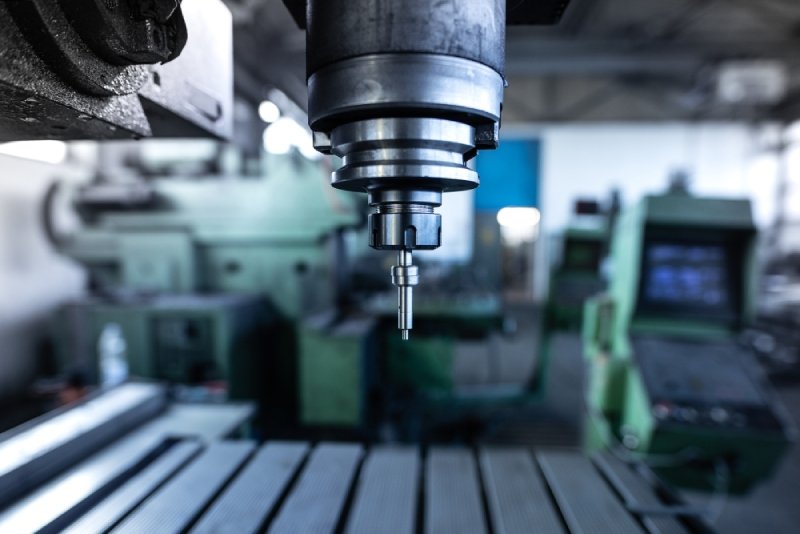
CNC machine financing in Canada can help manufacturers acquire precision equipment while keeping more cash available for payroll, materials, and day-to-day operations. Machinery financing in Canada can cover individual machines or broader capital projects, while manufacturing equipment financing should align with the asset, the installation timeline, and the business cash flow expected to support repayment.
Key Takeaways
• Start with the production problem the equipment is meant to solve, then size the financing around the full installed project rather than the machine price alone.
• A single facility can sometimes support several machines or a coordinated production upgrade, but the lender will still want a clear list of assets, suppliers, costs, and timing.
• Automation projects require a financing plan that covers hardware, controls, integration, installation, testing, and the period before the upgraded line reaches normal output.
• Used machinery can be financed when its condition, maintenance history, remaining useful life, and resale market support the proposed term.
• Preserving working capital matters because equipment purchases compete with inventory, labour, deposits, tooling, and other operating needs for the same cash.
What Machinery Financing Covers, From a Single CNC Machine to Full Production Line Financing
Machinery financing in Canada can support a single CNC machine, a cell of related equipment, or a larger manufacturing package. The financing is generally tied to identifiable productive assets, and the lender also evaluates the manufacturer’s financial position, repayment capacity, operating history, and the purpose of the investment.
For a precision-machining business, CNC machine financing in Canada may be used for turning centres, machining centres, mills, lathes, or other computer-controlled equipment. A broader request can also include production line financing when several machines, conveyors, controls, or related assets are acquired as a single coordinated project.
Define the full capital requirement before requesting terms. Freight, rigging, electrical work, foundations, software, training, and commissioning can be significant parts of the project. Some lenders will finance eligible related costs, while others focus more narrowly on the hard asset, so the quote package should clearly separate each cost.
Helm & Harbour Capital starts with the operating objective and the purchase’s cash-flow impact. Through our equipment and asset-based finance work, we help business owners compare credible structures, understand what is included, and keep the equipment decision aligned with the broader capital plan.
| Project Component | Typical Examples | Financing Question to Confirm |
| Core machinery | CNC, press, laser, robot, or production equipment | How much of the hard-asset cost is eligible? |
| Delivery and setup | Freight, rigging, electrical, and foundations | Can these costs be included in the facility? |
| Controls and software | CNC controls, integration and production software | Are software and integration treated differently? |
| Ramp-up costs | Training, testing and commissioning | When do principal payments begin relative to operation? |
Financing Industrial Automation and Robotics Equipment as Part of a Plant Upgrade
Financing an automation upgrade is easier to assess when the project is treated as an integrated capital investment rather than a list of unrelated purchases. Industrial automation financing may need to cover machinery, controls, sensors, software, integration, and installation, while robotics equipment financing can include the robot, end-of-arm tooling, guarding, and programming.
The lender will usually want to understand what is being purchased, who is supplying and integrating it, when payments are due, and when the upgraded process is expected to become operational. If supplier deposits or milestone payments occur before delivery, the financing structure should reflect that timing rather than assuming the full advance occurs only after installation.
Manufacturers should also plan for the period between installation and stable production. Training, testing, debugging, and line balancing can temporarily divert management attention and working capital. A financing structure that recognizes the ramp-up period can be more practical than one built solely around the equipment’s invoice date.
The BDC equipment financing guide publicly lists automated equipment, robotics systems, and production line machinery among equipment-loan uses. That is a useful reminder that the financing conversation can cover a plant upgrade rather than only one machine, although eligibility, advance amounts, and terms still vary by lender and borrower.
Press Brakes, Laser Cutters and Other Fabrication Equipment Loans by Asset Class
Press brakes, laser cutters, and related fabrication assets are often assessed based on purchase price, condition, expected useful life, marketability, and the manufacturer’s ability to service the debt. The term fabrication equipment loans refers to financing used to purchase equipment that cuts, forms, joins, or otherwise processes material into parts or finished products.
Press brake financing can support new or used forming equipment, but the lender may distinguish between a standard machine with a broad resale market and a highly customized configuration. The same principle applies to laser cutter financing, where the machine, power source, automation package, extraction equipment, and software may not have the same collateral value.
When several fabrication assets are purchased together, compare a single coordinated facility with separate unit-by-unit financing. A single facility can simplify closing and payment administration, while separate facilities can make sense when delivery dates, vendors, or useful lives differ materially. The right structure depends on the project and the business, not on a universal rule.
At Helm & Harbour, advice comes before capital. Our process helps owners compare trade-offs across lender structures before they commit, including terms, security, payment timing, deposits, prepayment flexibility, and any conditions that could affect future borrowing capacity.
Injection Molding Machines and Factory Tooling, Including Installation and Commissioning Costs
Injection molding machines and factory tooling can pose a financing challenge because the project may combine a long-life machine with molds, dies, fixtures, installation, and other specialized costs. Injection molding machine financing should therefore start with a detailed budget that separates the press, auxiliaries, automation, freight, setup, and commissioning.
Factory tooling financing can be more lender-specific because tooling may be customized for a particular part, customer, or production program. A lender may place different value on a reusable machine than on a mold or fixture with a narrower secondary market. That does not make tooling unfinanceable, but it makes clear project documentation more important.
Identify installation and commissioning costs before finalizing financing. Rigging, electrical work, cooling, compressed air, foundations, and controls integration and testing can increase the total cash requirement. If those costs are paid from operating cash because they were omitted from the financing request, the plant may preserve less liquidity than management expected.
This is also where capital advisory can matter. A large equipment project should be reviewed alongside existing term debt, the operating line, customer concentration, inventory needs, and upcoming capital expenditures to ensure that a single purchase does not unintentionally constrain the rest of the business.
Financing Used Manufacturing Machinery, and What Lenders Assess Beyond Age
Used manufacturing machinery can be eligible for financing, but age is only one factor in the assessment. Lenders may also consider condition, maintenance history, operating hours where relevant, manufacturer support, replacement-part availability, current market value, and the asset’s remaining useful life relative to the proposed financing term.
A recent machine from a recognized manufacturer with service records and a visible secondary market may be easier to assess than older or highly customized equipment. For private-sale or auction purchases, the lender may also want stronger evidence of value, ownership, and condition because there may be less supplier documentation than in a dealer transaction.
Manufacturing equipment financing for a used asset should include a realistic allowance for immediate repairs, tooling changes, software updates, and relocation and installation. A lower purchase price can still result in a large project if the machine requires significant work before it can produce saleable output, so the financing decision should be based on the total installed cost.
For owners comparing options, CNC machine financing in Canada and other machinery financing should be evaluated against the cash the asset is expected to consume before it begins contributing to normal production. That includes deposits, setup and ramp-up costs, not just the scheduled principal and interest after closing.
Frequently Asked Questions
How Do Manufacturers Finance a New CNC Machine in Canada?
Manufacturers commonly finance a new CNC machine through equipment loans, leases, vendor programs, or longer-term facilities. A lender will typically review the machine quote, business financials, operating history, intended use, the required down payment or equity contribution, and the cash flow available for repayment. An appropriate structure should also account for freight, installation, tooling, and commissioning when those costs are material.
Can I Finance an Entire Production Line at Once?
Yes, an entire production line can sometimes be financed under a single facility when the assets, suppliers, delivery schedule, and project budget are clearly documented. The lender may still allocate value to individual machines and distinguish between hard equipment, software, installation, and other costs. A coordinated facility can be useful when the assets are part of a single operating project.
What Financing Supports Factory Automation Upgrades?
Factory automation upgrades can be financed through equipment loans, leases, or broader capital facilities, depending on the purchase and how the project is installed. The financing request should identify machinery, controls, robotics, software, integration, deposits, and commissioning costs. For larger upgrades, the lender may also request projections showing how the business will service the debt during the installation and ramp-up period.
Is Financing Available for Used Manufacturing Machinery?
Yes, financing may be available for used manufacturing machinery. Lenders generally look beyond age to assess condition, maintenance, market value, serviceability, remaining useful life, and resale demand. The business’s financial strength also matters. For older or specialized machines, an appraisal, inspection, or more detailed supplier documentation may be required before a lender is comfortable with the proposed amount and term.
How Does Equipment Financing Help a Factory Preserve Working Capital?
Equipment financing can help preserve working capital by spreading a major capital purchase over time rather than paying the full price from operating cash. That can leave more liquidity for inventory, payroll, customer deposits, maintenance, and other day-to-day needs. The benefit depends on the financing cost and structure, so the payment schedule should still be tested against realistic operating cash flow.
Conclusion
The right machinery financing in Canada starts with the production objective, the full installed project cost, and the cash flow the business can realistically support. A lower monthly payment is not automatically better if the term, security, or timing creates constraints elsewhere in the company.
Helm & Harbour Capital brings an independent, advice-first perspective to major equipment-financing decisions. We help owners compare credible options, understand the trade-offs, and coordinate the financing process without starting with a proprietary product.
Capital follows purpose. If you are planning a CNC purchase, an automation upgrade, or a broader plant investment, Start Your Confidential Conversation, and we can review the financing options with you.

