

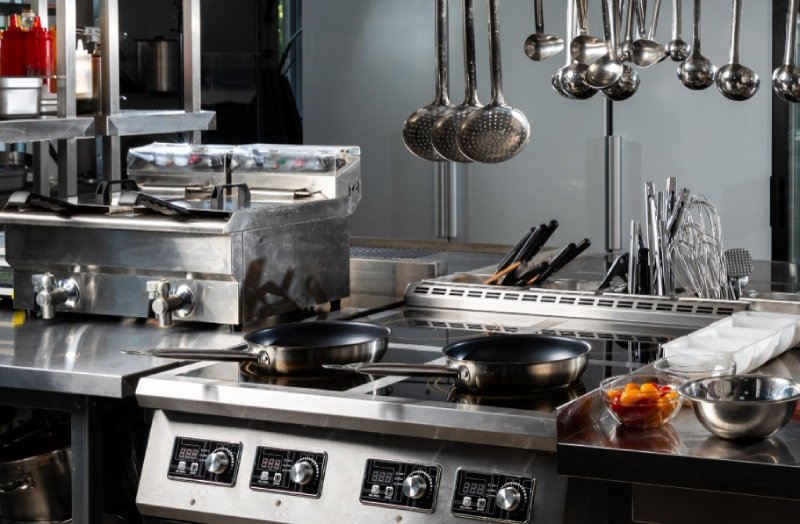
Restaurant equipment financing in Canada can help an operator spread the cost of essential kitchen, refrigeration, bar, and technology assets instead of paying for the entire package upfront. Commercial refrigeration financing can be structured for long-life equipment, while the broader financing plan should reflect the restaurant concept, opening timeline, lease commitments, and realistic cash flow.
Key Takeaways
- Build the equipment budget from a complete opening or replacement plan, including delivery, installation, and other costs that may fall outside the supplier quote.
- Separate long-life assets such as refrigeration and ovens from shorter-life technology so the financing term can better reflect how each asset will be used.
- New restaurants are assessed on more than just the equipment. Lenders may also review owner experience, equity invested, credit history, lease terms, projections, and contingency cash.
- Leasing and financing address different needs. Compare ownership, upfront cash, payment structure, end-of-term obligations, and flexibility before deciding.
- For franchise or multi-unit projects, coordinate equipment financing with leasehold improvements and working capital so one part of the buildout does not leave another underfunded.
What Restaurant Equipment Financing Covers Across the Kitchen Line, the Bar and Back of House Storage
Restaurant equipment financing in Canada can cover the operating assets needed to open, expand, or refresh a foodservice business, provided the equipment and borrower meet the lender’s criteria. The scope can range from a single replacement appliance to a coordinated package spanning cooking, refrigeration, warewashing, preparation, storage, bar service, and front-of-house systems.
Commercial kitchen equipment loans may be used to finance assets such as ovens, ranges, fryers, grills, mixers, dishwashers, prep tables, ventilation components, and other identifiable equipment. Depending on the structure, the lender may also consider eligible freight, installation, or setup costs, but these items should be confirmed rather than assumed.
Start with a detailed equipment schedule. List each supplier, item, model, purchase price, taxes, delivery date, installation requirement, and deposit. This gives the lender a clearer picture of the collateral and helps you better gauge how much cash must be available before opening day.
Helm & Harbour Capital approaches the decision from the operating plan first. Through our equipment and asset-based finance work, we help owners compare credible financing structures, understand what is included, and keep the equipment request aligned with the rest of the capital plan.
Commercial Refrigeration and Walk-In Cooler Financing as Long-Life Fixed Assets
Commercial refrigeration financing is often considered for long-life assets central to food safety, storage, and daily service. Walk-in boxes, condensing units, reach-ins, freezers, prep refrigeration, and ice machines can represent a significant share of a restaurant equipment budget, especially when installation is complex.
Walk-in cooler financing should be scoped beyond the box itself. Refrigeration projects may include panels, doors, compressors, evaporators, controls, electrical work, piping, permits, delivery, and installation. Some costs may be treated differently from the hard asset, so ask what is eligible before finalizing the purchase order.
The financing term should also align with the equipment’s expected useful life and the restaurant’s cash flow. A longer amortization can reduce the scheduled payment but may increase the total borrowing cost, while a shorter term can put more pressure on monthly cash flow. Compare total cost and flexibility, not just the payment.
For a new location, coordinate refrigeration timing with landlord work, inspections, and the construction schedule. Equipment arriving too early can create storage and deposit pressure, while late delivery can delay opening. The financing plan should follow the actual project sequence rather than an idealized date on a spreadsheet.
| Project Component | Typical Examples | Question to Confirm |
|---|---|---|
| Hard equipment | Walk-in box, compressor, evaporator, reach-ins | Which assets are included in the advance? |
| Installation | Piping, electrical, controls, labour | Are installation costs eligible or paid separately? |
| Project timing | Deposits, delivery, inspections, opening date | When are funds advanced relative to milestones? |
| Repayment | Term, amortization, early payout | Does the payment fit realistic operating cash flow? |
Financing or Foodservice Equipment Leasing for Ovens, Ranges, and Cafe and Bar Equipment
Financing and leasing can both work for cooking and beverage equipment, but they result in different ownership and end-of-term outcomes. Foodservice equipment leasing may suit an operator who values a lower initial cash outlay or a defined use period, while financing may be preferred when long-term ownership is the goal.
Commercial oven and range financing can support high-value cooking equipment without depleting all available cash at installation. For a chef-driven concept or a high-volume operation, the purchase may also include combi ovens, ventilation-related equipment, holding cabinets, or specialty cooking units, all of which should be itemized in the financing request.
Cafe and bar equipment financing can include espresso machines, grinders, brewers, under-counter refrigeration, glasswashers, ice machines, and other service equipment. These assets may have different useful lives and resale markets, so bundling them into a single facility should still be tested against the proposed term and end-of-term structure.
Before choosing between a loan and a lease, compare who owns the equipment during the term, what happens at maturity, whether there is a purchase option, how early payout works, and what security is required. Tax and accounting treatment can vary by structure and circumstance, so confirm those points with your accountant rather than treating them as a universal financing rule.
Point of Sale and Kitchen Technology Financing Bundled with the Equipment Package
Point-of-sale and kitchen technology can be financed through an equipment package in some structures, but technology is often treated differently from durable kitchen assets. POS and kitchen tech financing may include terminals, kitchen display systems, printers, networking hardware, order-management devices, and related equipment.
The distinction between hardware, software, and service contracts matters. A terminal or display is a tangible asset, while software licences, implementation fees, subscriptions and payment-processing agreements may have different financing eligibility. Ask the lender to identify which parts of the technology package are included before you commit.
Bundling technology with the kitchen package can simplify project budgeting, but it can also create a mismatch if short-life devices are financed over the same term as long-life refrigeration or cooking equipment. A clean asset schedule helps you compare a bundled facility with separate financing for equipment and technology.
This is where a broader capital advisory review can be useful. Opening cash is also needed for deposits, inventory, payroll, marketing, training, and the period before sales stabilize, so the financing decision should ensure sufficient liquidity for the restaurant to operate after the equipment is installed.
Franchise Equipment Financing and Restaurant Startup Financing for a First-Time Operator
Franchise equipment financing can support a standardized equipment package, but approval depends on the borrower, project economics, and lender criteria rather than the franchise name alone. A first-time operator should expect the financing review to assess personal and business credit, equity invested, management experience, the lease, the buildout budget, and projected cash flow.
Restaurant startup financing in Canada is broader than the kitchen package. A new location may need separate funding for leasehold improvements, furniture, signage, opening inventory, deposits, and working capital. Treating all of those costs as equipment can create a gap late in the buildout.
The federal Canada Small Business Financing Program may support eligible equipment and leasehold improvement costs for qualifying small businesses, with participating financial institutions making the credit decision. Confirm program rules, limits, and eligibility at the time of application.
For a first-time restaurateur, preparation matters. Bring a complete sources-and-uses budget, supplier quotes, lease details, owner investment, projections, and a clear explanation of who will operate the business. Helm & Harbour’s process is built on understanding the business first, then comparing credible options before an owner decides how to proceed.
Frequently Asked Questions
How Do New Restaurants Finance Kitchen Equipment in Canada?
New restaurants typically combine owner’s equity with one or more financing sources for equipment, leasehold improvements, and opening working capital. Equipment-specific financing can be useful because the purchased assets support the request, but first-time operators may still be evaluated on credit, experience, lease terms, projections, and the amount of cash invested. Approval and required security vary by lender.
Can I Finance a Walk-In Cooler or Refrigeration Unit?
Yes. Commercial refrigeration financing may be available for a walk-in cooler or a refrigeration unit when the asset, installation, and borrower meet the lender’s requirements. Prepare a quote that separates equipment costs from electrical, piping, construction, and installation costs. This makes it easier to confirm which project costs can be financed and which must be paid from other sources.
Is Leasing or Financing Better for Restaurant Equipment?
Neither structure is inherently better. Financing may be preferable when you want to own a long-life asset, while leasing may be preferable when lower upfront cash use, replacement flexibility, or a defined use period matters more. Compare total payments, end-of-term obligations, purchase options, early payout terms, and accounting or tax treatment with your professional advisors before choosing.
What Financing Options Exist for a Restaurant Franchise Buildout?
A franchise buildout may use separate or coordinated financing for equipment, leasehold improvements, and working capital. The equipment facility is only one part of the project, so the full budget should include construction, deposits, signage, technology, opening inventory, and contingency cash. Lenders will still underwrite the specific operator and location rather than relying solely on the franchise system.
Can a First-Time Restaurateur Qualify for Equipment Financing?
A first-time restaurateur may qualify, but there is no automatic approval. When business history is limited, lenders may place greater weight on the owner’s credit profile, relevant operating or management experience, equity contribution, lease, business plan, supplier quotes, and cash-flow projections. A well-prepared request makes the risks and funding need easier to assess.
Conclusion
The right restaurant equipment financing in Canada should support the restaurant after opening, not just get the equipment through the door. Build the request around the complete project, compare ownership and payment trade-offs, and preserve enough cash for inventory, payroll, and the early operating period.
Helm & Harbour Capital brings an independent, advice-first perspective to equipment and broader capital decisions. We help owners compare credible options and understand the terms before committing to a financing plan.
Capital follows purpose. If you are planning a new restaurant, a renovation, a franchise buildout, or a major equipment replacement, Start Your Confidential Conversation with us, and we can review the financing plan with you.

