

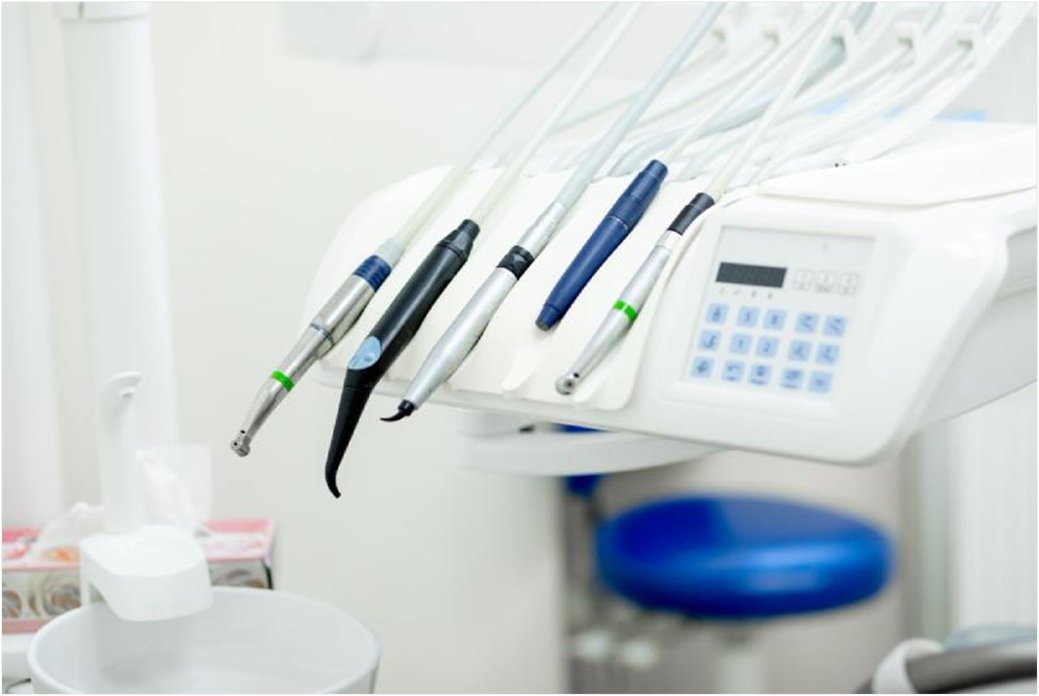
Dental equipment financing in Canada can help a practice spread the cost of chairs, sterilization systems, imaging units and other clinical assets while preserving cash for staffing, buildout and working capital. For larger diagnostic purchases, CT scanner financing and other equipment structures are typically assessed based on the asset, the practice’s financial capacity, the project budget and the operator’s experience.
Key Takeaways
• Start with a complete equipment schedule that identifies the supplier, model, purchase price, taxes, delivery, installation, and any software or service costs that may fall outside the hard asset.
• Match the financing term to the expected useful life of the equipment and the practice’s realistic cash flow, rather than focusing only on the lowest scheduled payment.
• Dental imaging equipment financing may require more diligence because installation, site preparation, service contracts and technology obsolescence may materially affect the total project cost.
• New practices are often evaluated against the full opening plan, including owner experience, equity invested, lease terms, projections, contingency cash, and the timing of the buildout.
• For acquisitions, separate the value of equipment from goodwill, working capital and other purchase-price components so each part of the transaction is financed appropriately.
What Dental Equipment Financing Covers, From Operatory Chairs to Dental Imaging Equipment
Dental equipment financing in Canada can support a broad range of identifiable clinical and practice assets, from treatment chairs and sterilizers to compressors, suction systems, cabinetry and digital imaging equipment. The key question is not simply whether an item can be financed, but whether its cost, expected life and role in the practice align with the proposed term and repayment structure.
Dental imaging equipment financing may cover digital radiography systems, panoramic units, cone-beam imaging systems, sensors, and related hardware when the lender is comfortable with the equipment and the supplier. Software licences, training, warranties, and implementation fees may be treated separately from the physical asset, so those components should be itemized before the financing request is submitted.
A clean equipment list also helps distinguish replacement purchases from a larger expansion or a new-practice project. For an established office replacing a major unit, historical cash flow may carry more weight. For a new practice, the lender may need to understand the full opening budget, the owner’s experience, projected patient volume, and how much cash remains after equipment deposits and construction costs.
Helm &Harbour Capital starts with the operating plan rather than a product. Through our equipment and asset-based finance work, we help business owners compare credible structures, clarify what is included in the financed amount, and keep the equipment decision aligned with the broader capital plan.
Medical Imaging Equipment Loans for X-Ray, Ultrasound, CT Scanner and MRI Machine Purchases
Medical imaging equipment loans can finance higher-value diagnostic assets, but the financing review typically extends beyond the purchase invoice. Lenders may consider the equipment’s age, expected useful life, supplier, installation requirements, service arrangements, and resale market, alongside the clinic’s financial capacity and the purpose of the purchase.
For imaging projects, CT scanner financing may sit alongside X-ray machine financing, ultrasound equipment financing or MRI machine financing. Each asset can have a different cost profile and site requirement. Shielding, electrical upgrades, cooling, room preparation, delivery, calibration, and professional installation may not be treated the same way as the machine itself, so confirm eligible costs early.
The financing term should also reflect technology risk. A longer term can reduce scheduled payments, but the practice should consider whether the equipment is likely to remain clinically useful, serviceable and supported throughout the repayment period. A shorter term can increase monthly obligations, so test the decision against conservative practice cash flow rather than optimistic utilization assumptions.
For a dental imaging equipment financing request, prepare the same level of detail you would for a larger medical system: a supplier quote, model, installation plan, service agreement, expected in-service date, and a clear explanation of how the asset fits the practice. The more complete the package, the easier it is to compare financing proposals on like-for-like terms.
| Planning Area | Examples | Question to Confirm |
| Hard asset | Scanner, imaging system, workstation hardware | Which equipment is included in the financed amount? |
| Site preparation | Electrical, shielding, cooling, room work | Which project costs must be funded separately? |
| Service and software | Maintenance, licences, training, implementation | Are non-asset costs eligible under the proposed structure? |
| Timing | Deposits, delivery, installation, go-live date | When are funds advanced relative to project milestones? |
How Lenders Assess Veterinary Equipment Financing and Diagnostic Assets in a Clinic Setting
Veterinary equipment financing is assessed much like other professional-practice equipment, with attention to the clinic’s cash flow, ownership structure, operator experience and the type of diagnostic or treatment asset being purchased. The lender may also consider how essential the equipment is to the clinic’s services and whether a practical secondary market exists for the asset.
This type of financing may be used for imaging systems, anaesthesia machines, dental units, surgical tables, laboratory analyzers, monitoring equipment, and other clinical assets, subject to lender criteria. A replacement purchase for an established clinic may be evaluated differently from a full fit-out for a new hospital or specialty practice.
Build the request around the business case for the equipment. Explain whether the purchase replaces an unreliable unit, expands diagnostic capability, brings an outsourced service in-house, or supports a new location. Avoid relying on a single revenue forecast. Show how the practice would meet payments if utilization ramps more slowly than expected.
For a larger project, our capital advisory approach can help separate equipment financing from other needs, such as leasehold improvements, acquisition funding, or working capital. One facility does not have to address every capital requirement, and a structured comparison can clarify the trade-offs before anything is signed.
Healthcare Practice Equipment Leasing Compared With Ownership Over a Long Asset Life
Comparing leasing with ownership is primarily a question of cash flow, control, flexibility and end-of-term economics. Leasing can reduce the initial cash requirement and may offer a defined use period, while financing toward ownership may suit durable assets a practice expects to keep for many years.
Healthcare practice equipment leasing should be evaluated beyond the monthly payment. Review who owns the asset during the term, any purchase option, renewal provisions, return conditions, early termination terms, maintenance responsibilities, and what happens if the equipment needs to be replaced before the agreement ends.
Ownership can be attractive for long-life assets with predictable service needs and durable clinical utility. Leasing can be useful where technology changes quickly or where the practice values flexibility. Neither structure is automatically better. The right choice depends on the asset, tax and accounting treatment, cash reserves, expected usage, and the practice’s plans for the location.
Before choosing, compare the full economics over the expected holding period and have your accountant review the tax and accounting implications. Financing documents may also include security, guarantee, insurance and prepayment provisions that warrant the same attention as the headline rate. A plain-language comparison is more useful than deciding based on payment size alone.
Clinic Buildout Financing, Dental Practice Startup Financing and Optometry Equipment Purchases
Buildout, startup, and optometry equipment purchases often fall within a broader project rather than as a stand-alone equipment request. A new practice may need capital for leasehold improvements, deposits, furniture, clinical assets, technology, professional fees, opening inventory, marketing, and working capital before revenue stabilizes.
Clinic buildout financing should therefore be coordinated with the construction schedule and equipment delivery dates. Funds may be needed at different milestones, and contractors and suppliers may require deposits before the practice is ready to open. A project budget that identifies both timing and cost makes those cash demands easier to plan.
Dental practice startup financing is usually stronger when the owner can present a clear business plan, realistic projections, evidence of equity investment, signed or near-final lease terms, supplier quotes, and a contingency for delays or cost overruns. The same discipline applies to optometry equipment financing for diagnostic instruments, exam lanes, and other practice assets.
Optometry equipment financing may be only one part of the opening budget. Keep enough liquidity for payroll, rent, supplies and the period before patient volume matures. Helm &Harbour’sprocesscompares credible options first, then helps execute the financing plan once you decide how to proceed.
Frequently Asked Questions
How Do Dentists Finance New Equipment for a Practice?
Dentists can finance new equipment through term loans, leases, or other asset-backed structures, depending on the practice and the equipment. Dental equipment financing in Canada is typically assessed using the supplier quote, practice history or startup plan, owner experience, credit profile, equity contribution, and projected cash flow. Coordinate financing with buildout and working-capital needs so the practice is not left short on liquidity after installation.
Can I Finance a CT Scanner or Imaging Machine in Canada?
Yes, subject to lender approval and the specifics of the project. CT scanner financing usually requires a detailed equipment quote, along with information on installation, site preparation, service support, the clinic’s financial capacity, and the expected use of the machine. For complex imaging projects, separate the hard asset from construction, software, and professional costs so you know which amounts are actually being financed.
What Financing Is Available When Opening a New Clinic?
A new clinic may combine equipment financing with separate funding for leasehold improvements and working capital. Lenders commonly want to understand the owner’s professional and management experience, equity contribution, lease terms, supplier quotes, projections and contingency budget. The key is to map when each cost occurs, because construction deposits, equipment delivery, and opening expenses do not always happen at the same time.
How Do Veterinary Clinics Finance Diagnostic Equipment?
Veterinary clinics can finance diagnostic equipment through loans, leases, or other asset-based structures, depending on the clinic and the lender. Veterinary equipment financing requests are stronger when they identify the asset, supplier, expected useful life, installation requirements, and the business reason for the purchase. Established clinic cash flow can support the case, while startups may need a more comprehensive plan and additional owner support.
Is Equipment Financing Available for a Dental Practice Acquisition?
Yes, equipment can sometimes be financed as part of a dental practice acquisition, subject to lender criteria and the transaction structure. The equipment value should be separated from goodwill, working capital, real estate, and other purchase-price components, as different assets may require different financing. Professional-corporation ownership and acquisition rules vary by province, so obtain legal and accounting advice before finalizing the structure.
Conclusion
Clinical equipment financing works best when the equipment decision is aligned with the full practice plan. Compare asset life, project timing, ownership outcome, total cost, and cash-flow impact, then preserve enough liquidity for the business to operate after installation.
Helm &Harbour Capital brings an independent, advice-first perspective to equipment and broader capital decisions. We help owners compare credible options, understand the trade-offs, and coordinate financing without starting with a proprietary product.
Capital follows purpose. If you are planning a new clinic, a major imaging purchase, a practice expansion, or an acquisition, Start Your Confidential Conversation, and we will review yourcapital plan.

